
There are amazing behaviours and capabilities in wildlife that go unnoticed by human beings. In addition to the generally accepted facts, animals are intelligent, communicate and have complex and interesting survival strategies. The knowledge of these secret facts will assist us in understanding nature even better and the need to preserve it.
Elephants are able to identify themselves
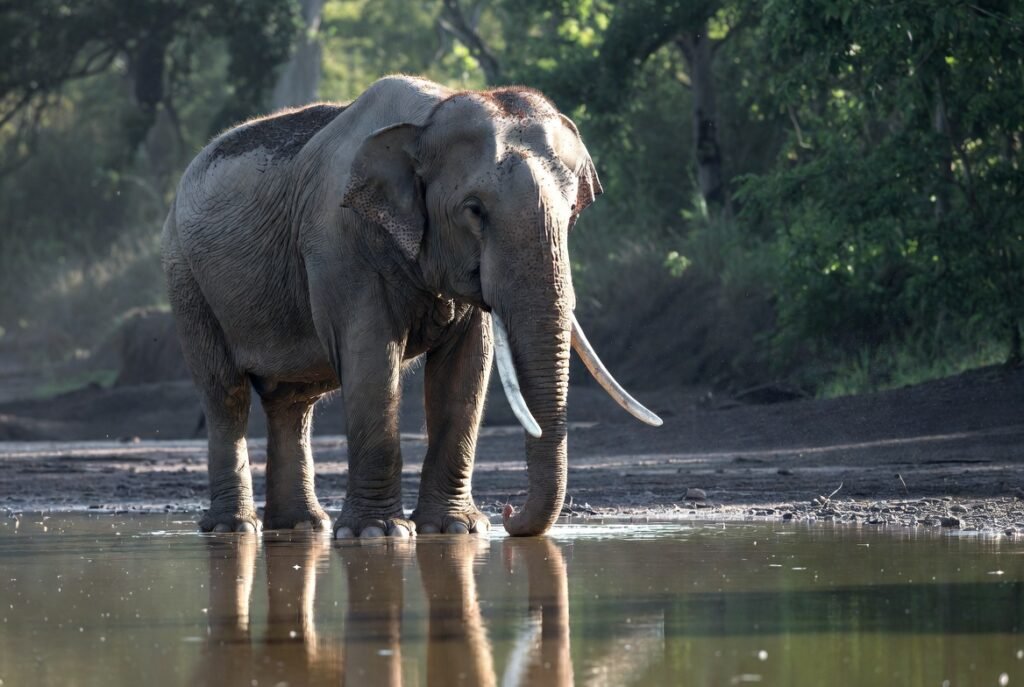
Elephants are also one of the few animals which are able to identify themselves in a mirror. This skill depicts a great deal of self-awareness, which is not common in the animal kingdom. They check their mirrors to view their bodies, and due to some parts that cannot be viewed directly.
Octopuses Have Three Hearts
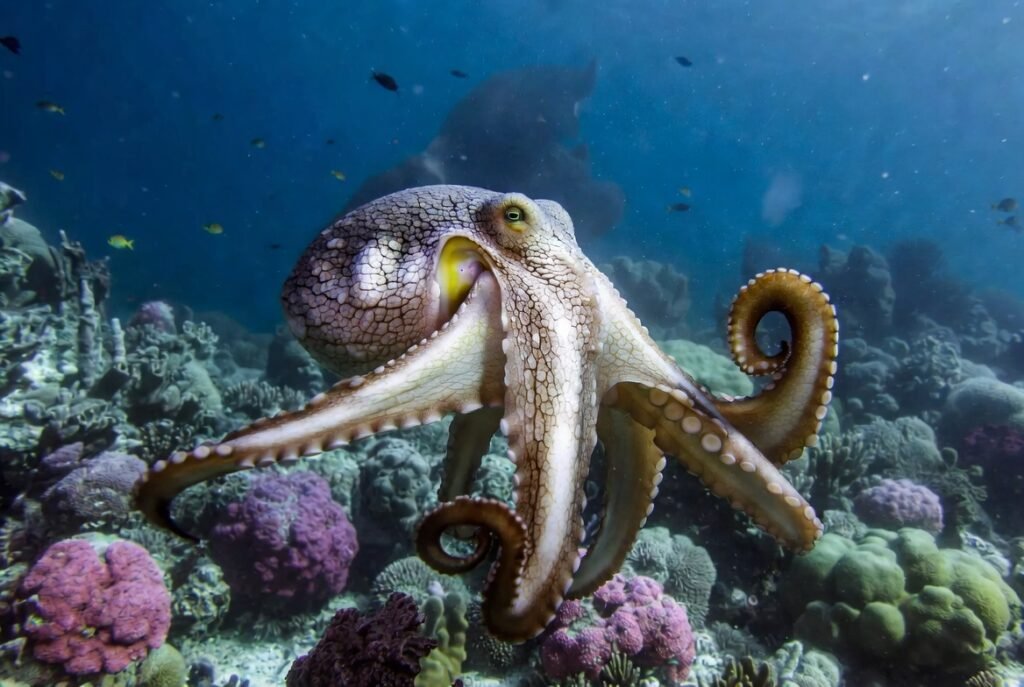
Three hearts assisted octopuses to survive in the deep and often cold waters. The gills are pumped by two hearts, and the remaining part of the body is pumped by the third. They have blue blood due to the copper rather than the iron contained in their blood.
Dolphins Name Each other
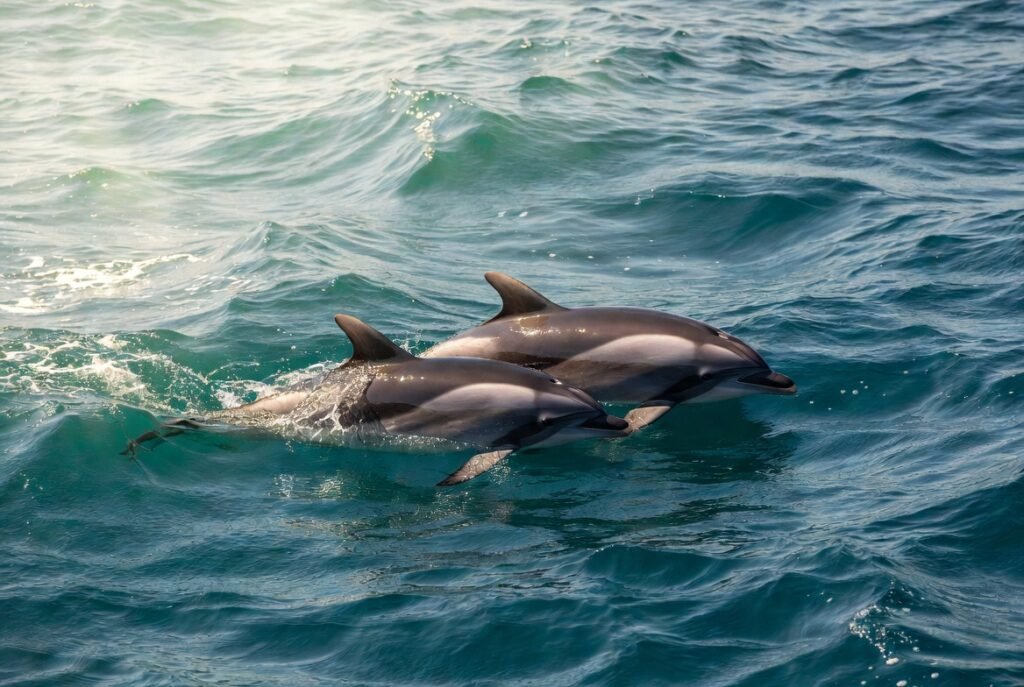
Dolphins have special sounds, which they employ in a similar manner as names when referring to each other. These whistles that are IDs assist them in communicating and being connected with their group. On separation from a dolphin, the others may call its special whistle.
Crows are able to remember human faces

Crows can name human faces and recall them over several years. They are able to recognise those individuals who have been nice or bad to them. In case of danger, crows can alert other crows and even convey the message to younger generations.
Frogs Can Freeze and Not Die
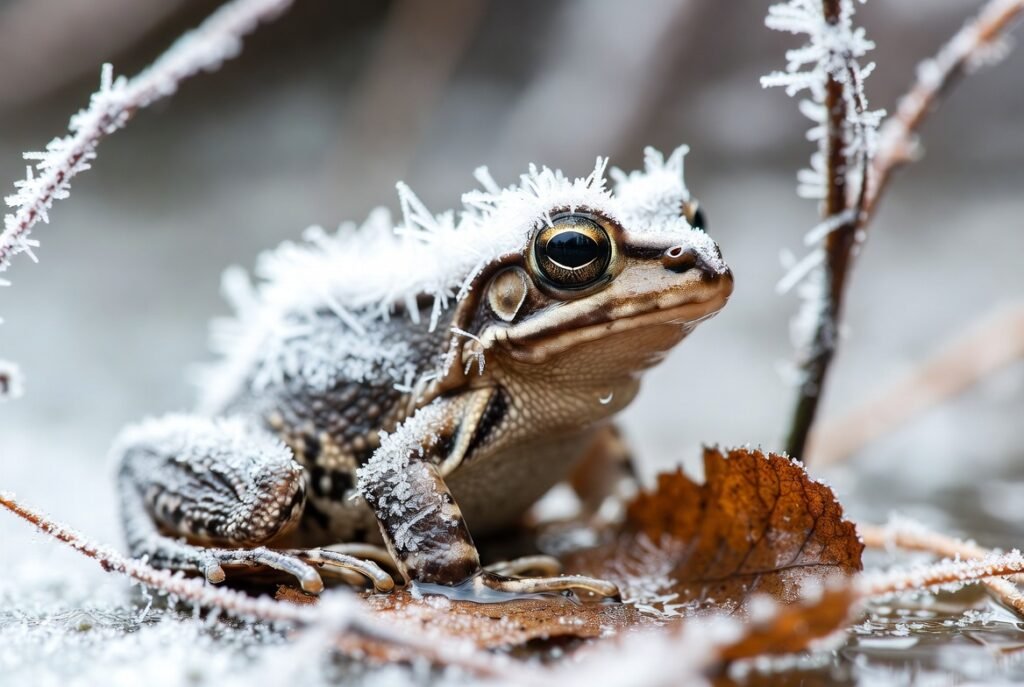
Other frog species can endure low temperatures by freezing part of their bodies. Their hearts cease to beat, and the breathing ceases at this moment. Their bodies have special chemicals which guard their cells against damage. The frogs warm up and resume activity when the temperatures increase.
The wolves are very close-knit
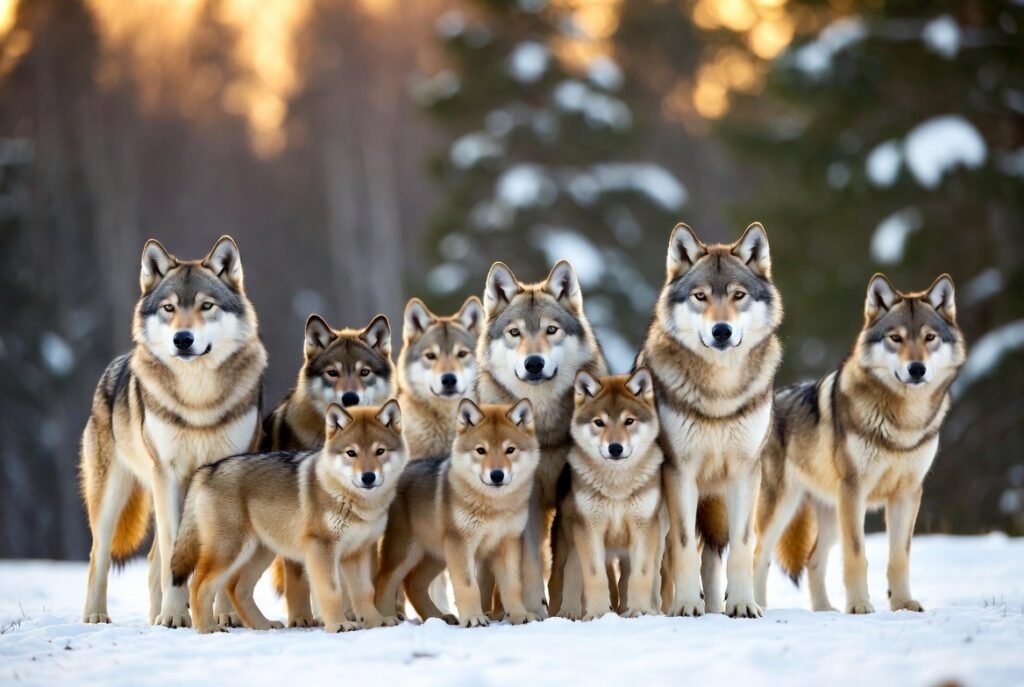
The wolves are social animals that exist in families. Parents observe their young and elderly siblings raise pups. Their communication is by use of sounds, facial expressions, and body language. These well-established social ties assist them in hunting effectively and defending the group.
Snakes Can Sense Heat
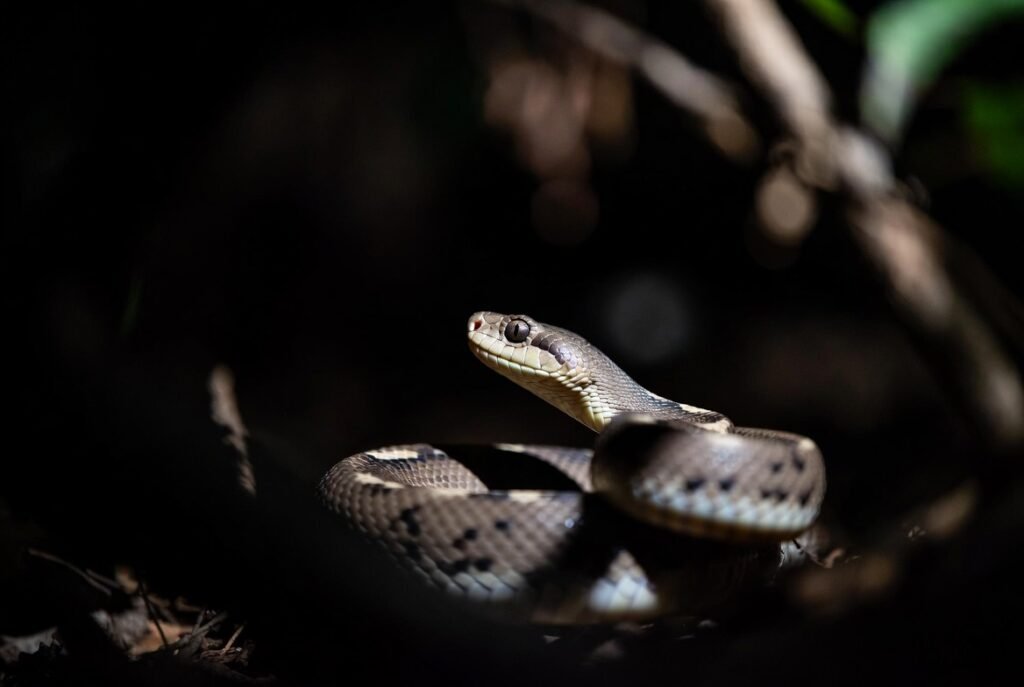
Several snakes have the ability to detect heat using special organs close to their eyes. This is necessary to aid them in finding warm-blooded prey even when there is total darkness. Snakes also use heat sensing to hunt and escape predators. It can be used particularly in species which are nocturnal hunters.
Bees can think simple Mathematics

Babies are able to learn simple mathematical operations like counting as well as comparing quantities. When foraging for food, they use this skill, and when directing their movement in the environment. Bees are able to select flowers according to colour.
Fish are able to identify themselves within groups
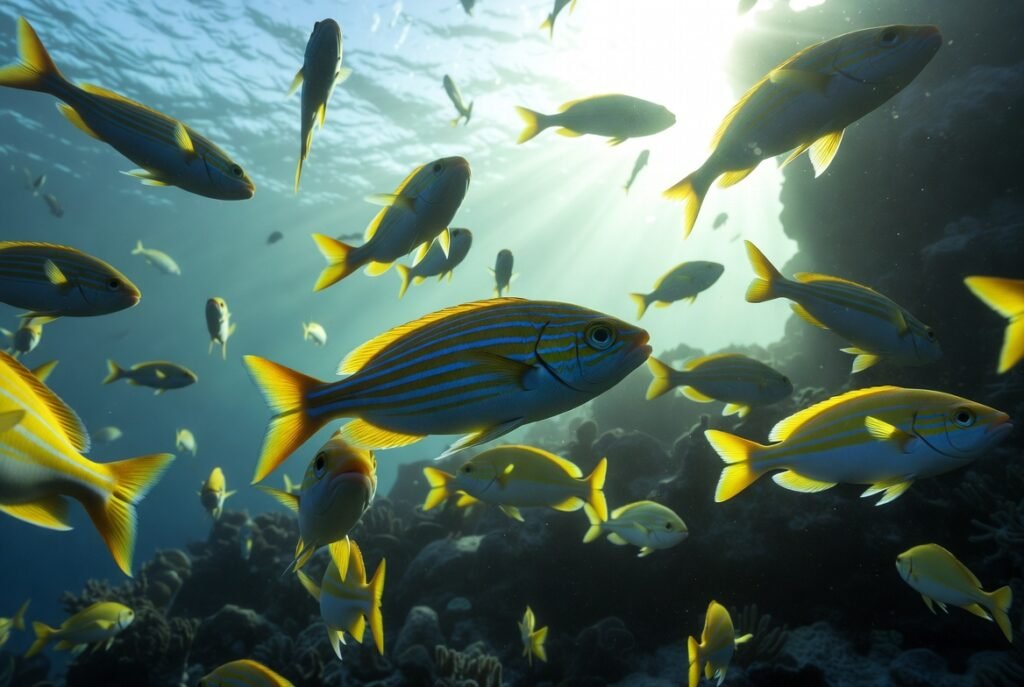
There are fish species that are able to identify themselves as a group. They recall previous experiences and change their behaviour. This capability enables them to shun violent competitors, as well as to establish stable social groups. It also enhances working together in swimming.
Insects and bats aid in the control of insects
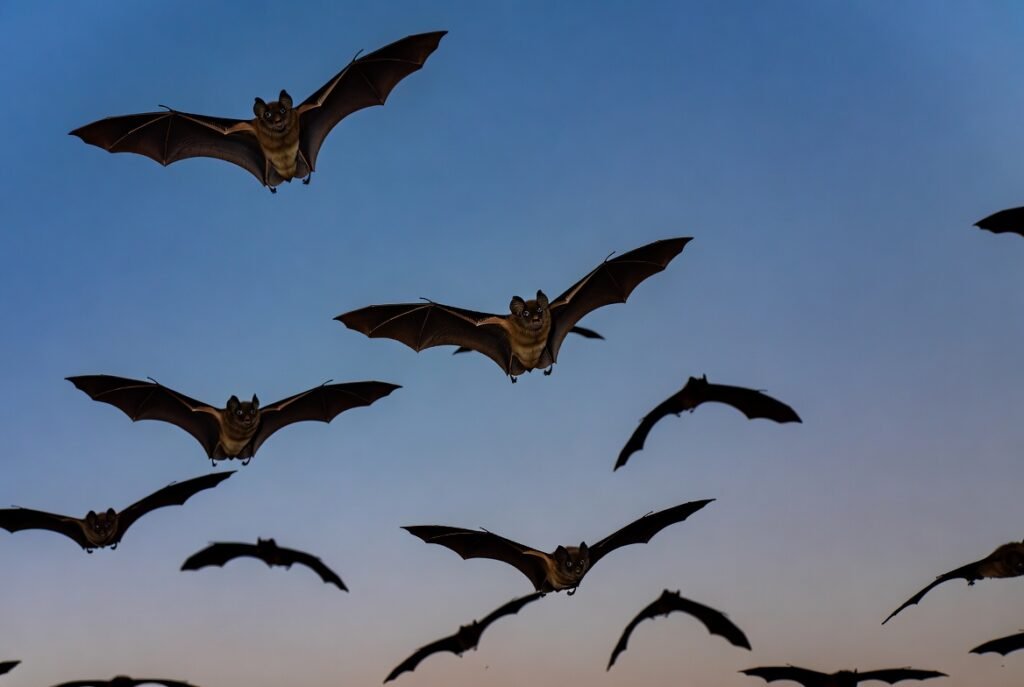
The bats contribute significantly to the population reduction of insects as they consume huge amounts of insects in a single night. This provides a natural pest control that is beneficial to the agriculture sector and prevents the transmission of diseases caused by the insects.
