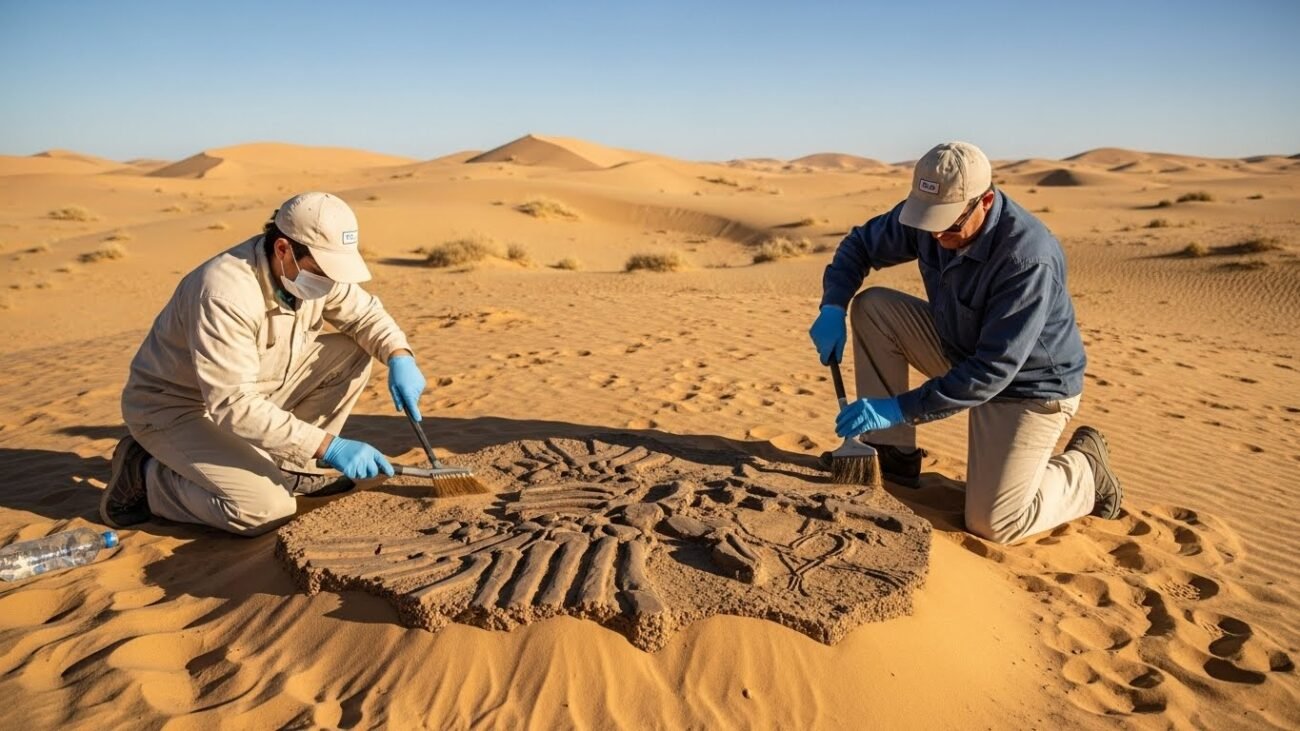
The wide deserts of Mongolia have been a point of interest to scientists since ancient times, providing rare insights into the prehistoric history of the world. Some of the most outstanding findings include the visitations of dinosaur fossils in extraordinary detail due to the dry weather in the area and the drifting sands. The findings have assisted researchers to know how dinosaurs lived, moved and adapted to the harsh environment millions of years ago. Mongolian fossils are not mere bones but histories of the deserts, behaviors, environments, and evolutionary characteristics. Every discovery adds something to our knowledge of ancient life and underlines the fact that this area is so crucial in the world in the sphere of paleontological study.
Preserved by desert conditions
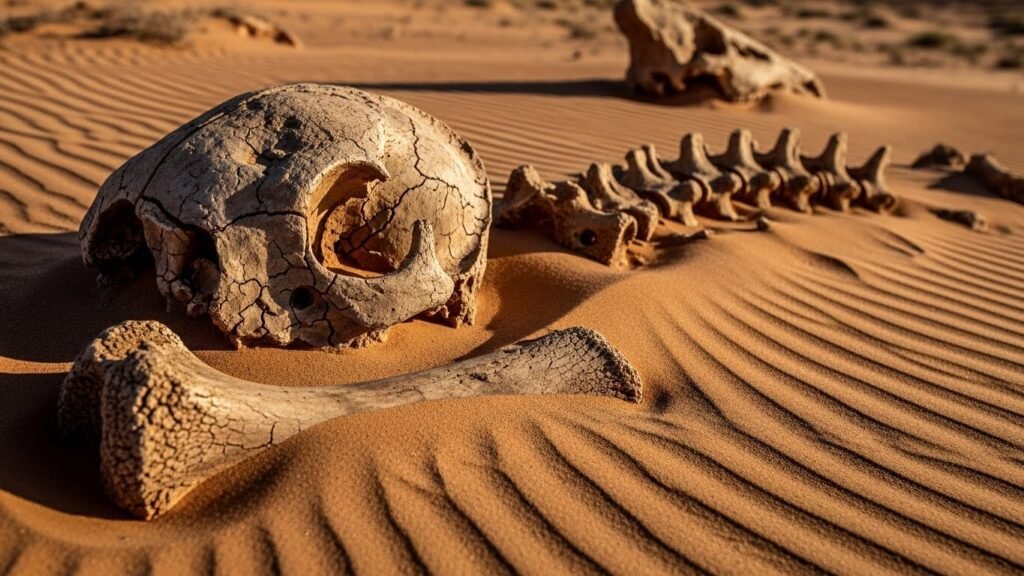
Little moisture and sand blown by winds were significant factors in preservation. These features retarded the erosion and chemical erosion so that the fossil has been preserved remarkably well over millions of years under the desert floor.
Belongs to a species known from Mongolia
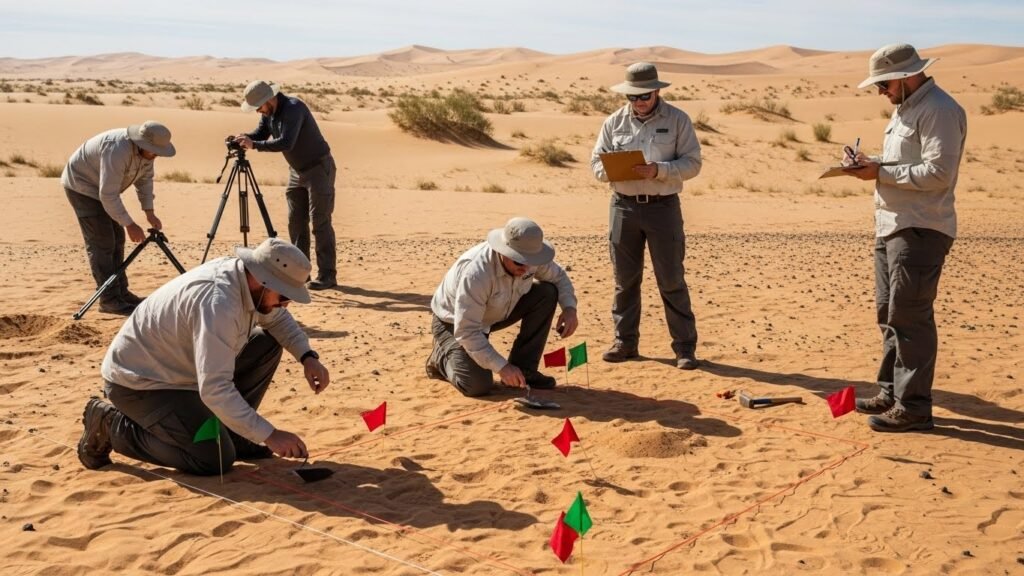
A lot of the dinosaurs that are found in Mongolia are local there. This fossil further contributes to the factual evidence that the region was once an apparently rich home of various ecosystems containing any species that were able to adapt to the desert-like conditions.
Indicates a harsh ancient environment
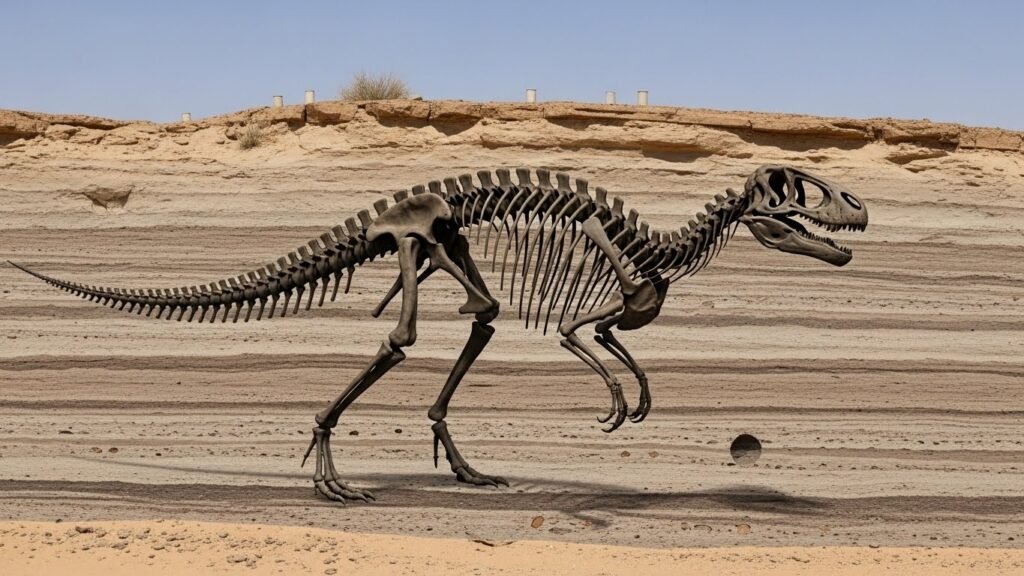
Fossils are encircled by geological layers, which indicate a difficult climate. This shows that the dinosaur survived in an environment where it needed to be adaptive and strong and make good use of resources.
Help scientists discover dinosaur behaviour
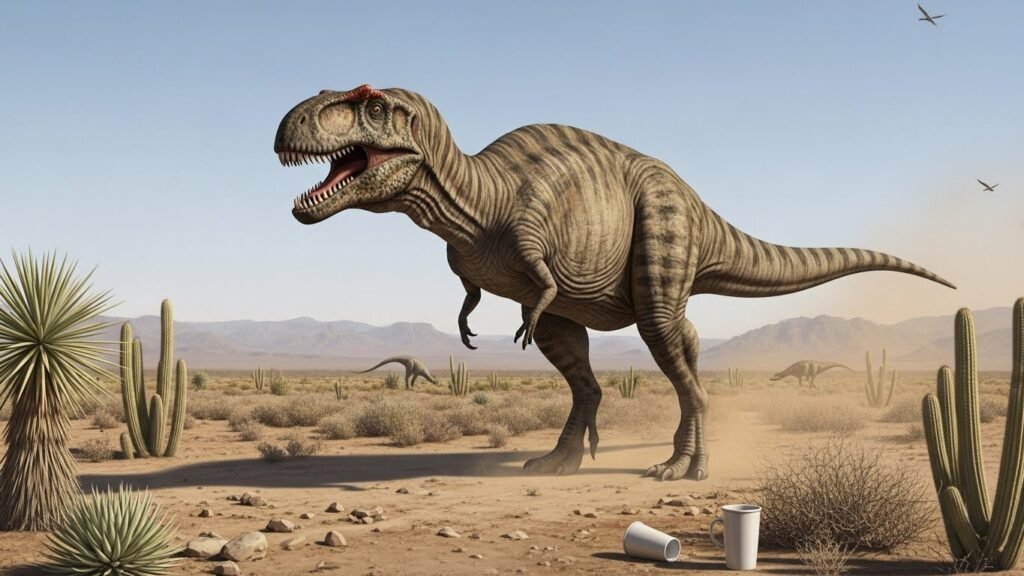
The posture of the fossil gives indications regarding the behavior. Regardless of whether it is during a resting time, moving time or an eventual reaction, these facts enable the researcher to come up with informed conclusions concerning the life of dinosaurs in their daily activities.
Adds evidence to evolutionary studies
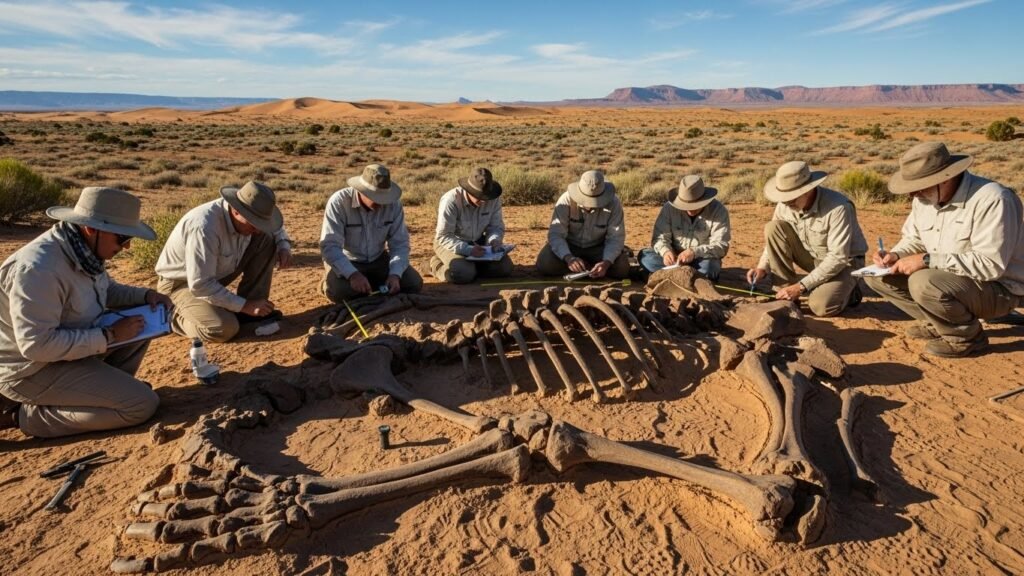
All fossils fill their gaps in evolution. This finding allows scientists to trace the changes in physical characteristics, providing a more accurate understanding of the developments of some dinosaur species as they developed.
Support theories about dinosaur adaptation
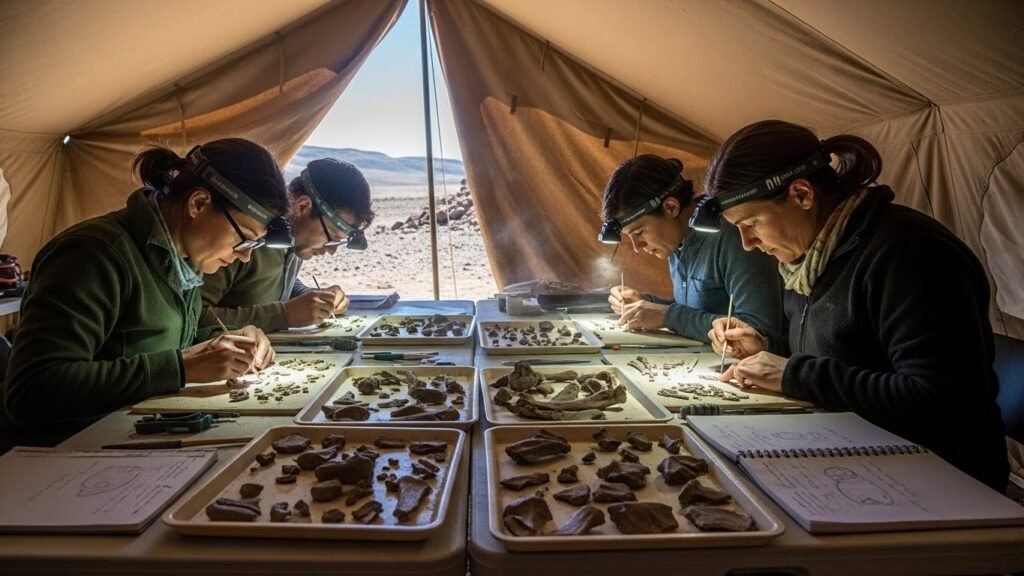
The structure of the fossil is due to the climate and terrain adaptation. This sustains scientific theories that dinosaurs developed certain features that made them adapt well in strenuous environments.
Offers insights into growth and age

The pattern of bone development is used as an indicator of age. This type of analysis will provide growth rates and stages of life, and as such has assisted scientists in comparing the juveniles and the adults belonging to the same species.
Connects to other major discoveries

This fossil conforms to previous discoveries in the area. The combination of them provides a more general picture of prehistoric ecosystems and the interrelations of species.
Promotes further exploration of the deserts
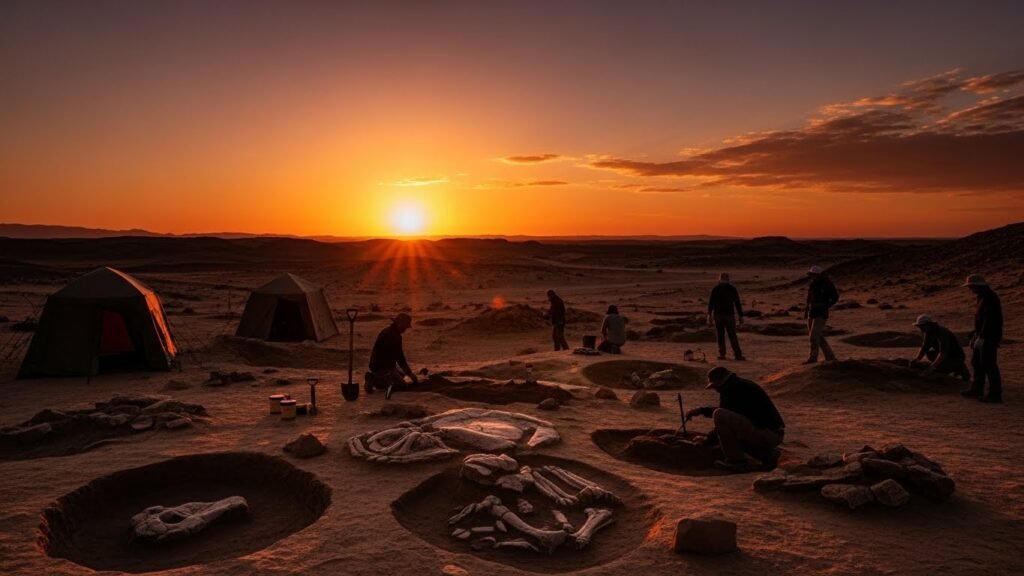
Such findings inspire the next research. With every successful excavation, there are possibilities of new fossils being discovered, which may alter the current scientific knowledge.
Remains a window into ancient life
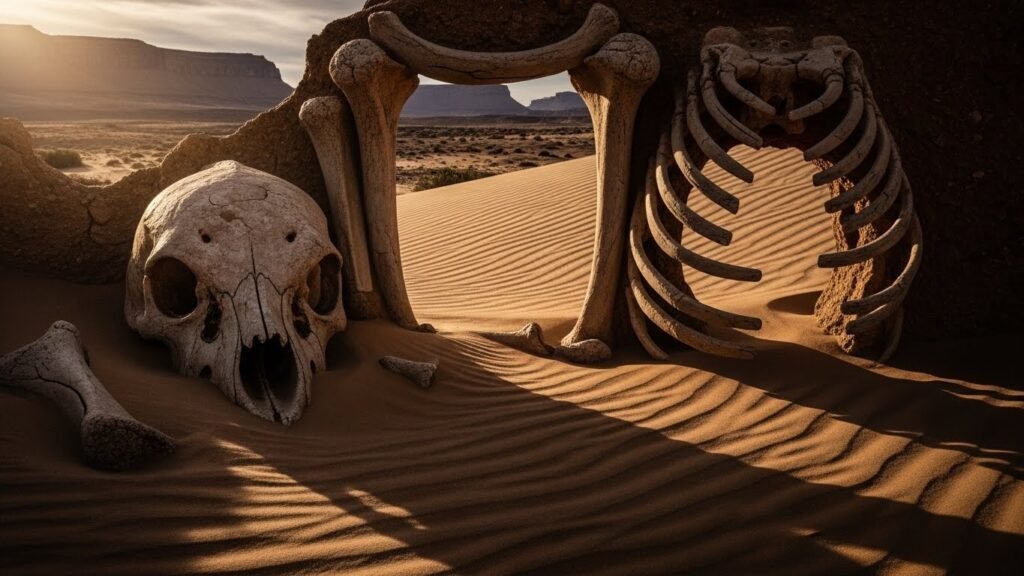
This fossil is an item to remember that there was life back in the days when there were no human beings. It provides a physical attachment to a far-off time to make us see the richness and endurance of past animals.
