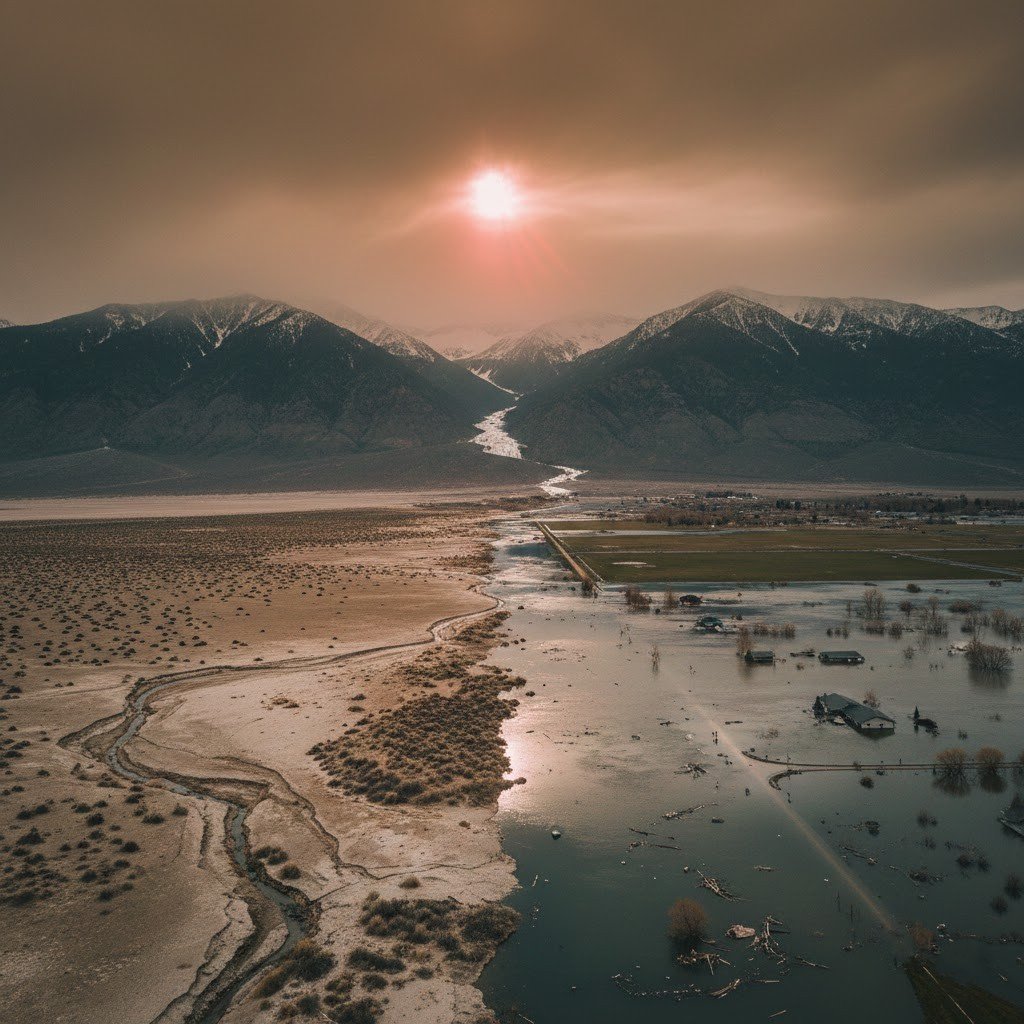
Changes in nature are happening faster across the United States, according to long-term observations by climate scientists and federal agencies. The weather is acting different, and plants and animals are also changing in ways that have been measured over several decades. People who study these changes are paying close attention. They want towns and cities to be ready for what may come next. This article looks at ten places where these changes are becoming clear and harder to ignore.
Rising Average Temperatures

Since the 1970s, average temperatures in the United States have risen by about 2.6 degrees. Summers feel more extreme today. The entire country is warming, though the Southwest and Northeast see longer heat periods now.
Shifting Precipitation Patterns
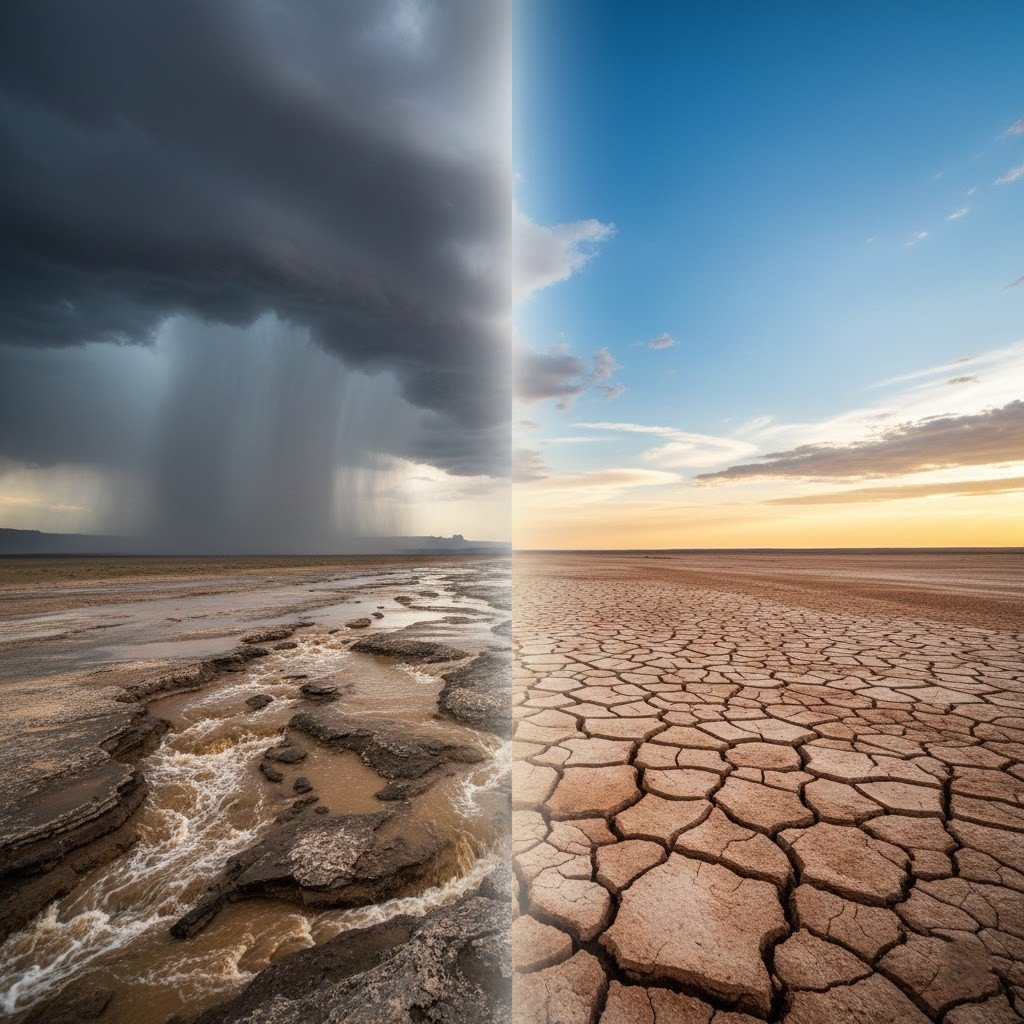
Weather records show rain patterns have changed. A few areas see sudden heavy rain, but many places wait months without rain. The Northeast has more strong storms, while the West deals with ongoing dry weather.
Faster Sea Level Rise
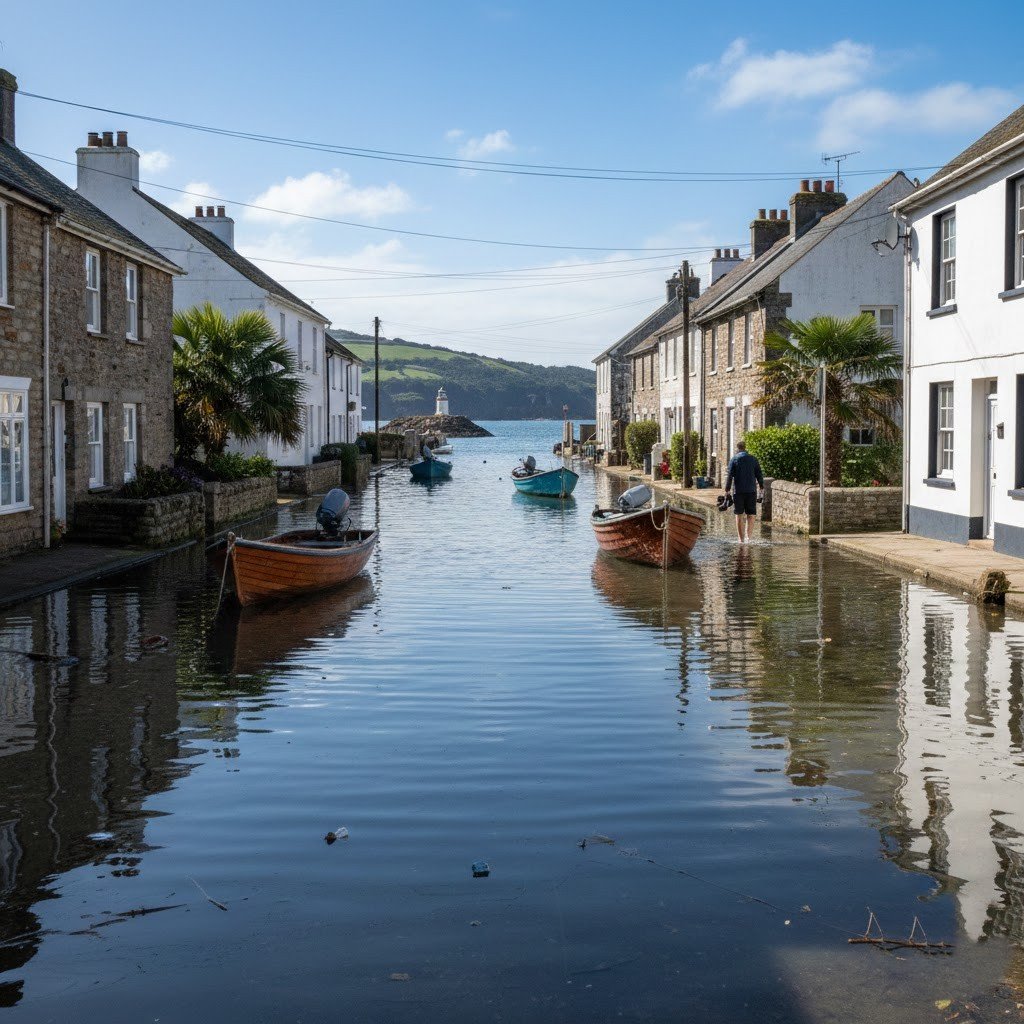
On the Atlantic and Gulf coasts, old records say the sea is climbing quicker than before. Streets flood even on clear days. With no storms, towns struggle more to keep roads open and homes dry.
Changing Growing Seasons

Warmer days are lasting longer across several states. Plants bloom sooner than in the past. This may look good for crops, yet it disrupts birds and insects that depend on plant timing.
Increased Wildfire Activity

In western states, fire seasons begin sooner and continue longer each year. Heat and dry forests help fires grow. Thick smoke can travel thousands of miles and cause breathing problems in other places.
Melting Mountain Snowpack
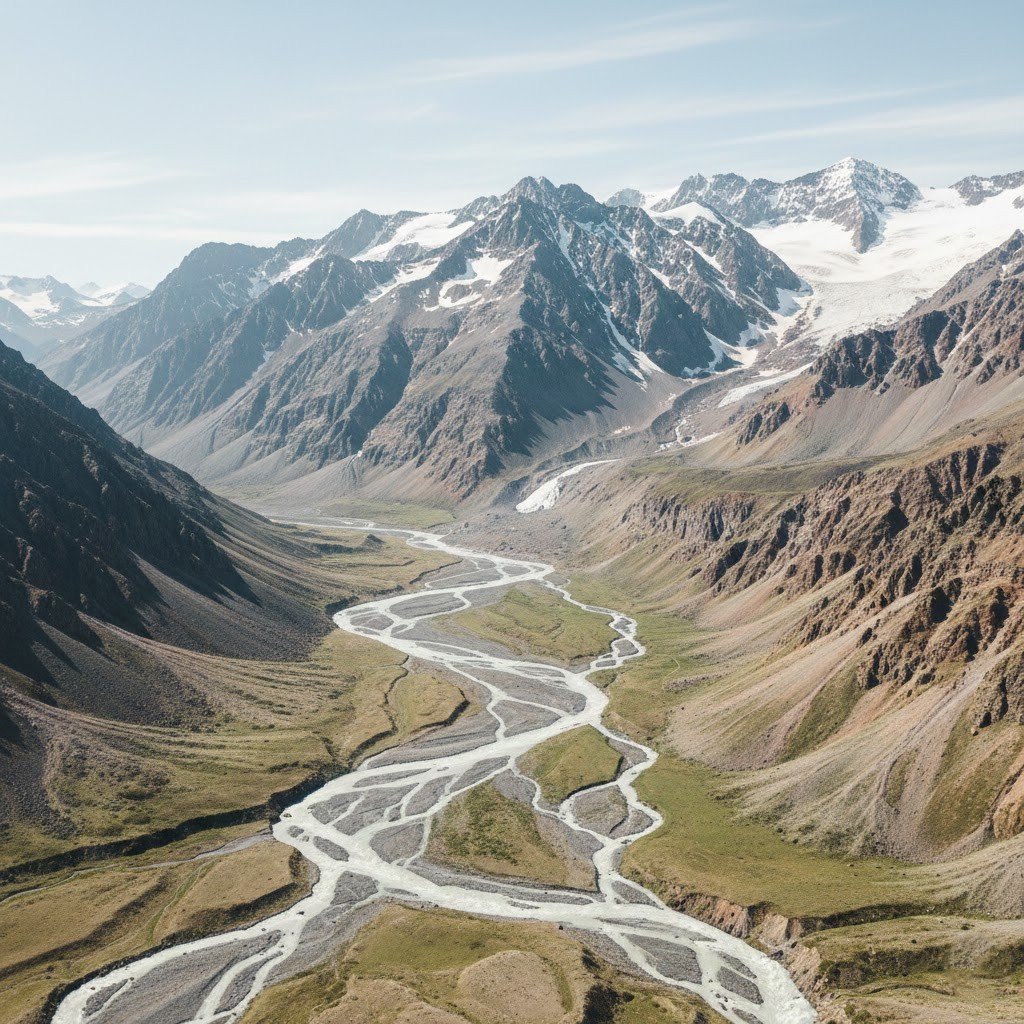
Western mountains are losing snow sooner in spring. Years of records confirm it. Rivers rise early, then slow later. This matters because many people need this snow for water, food growing, and power needs nationwide.
Warming Ocean Waters
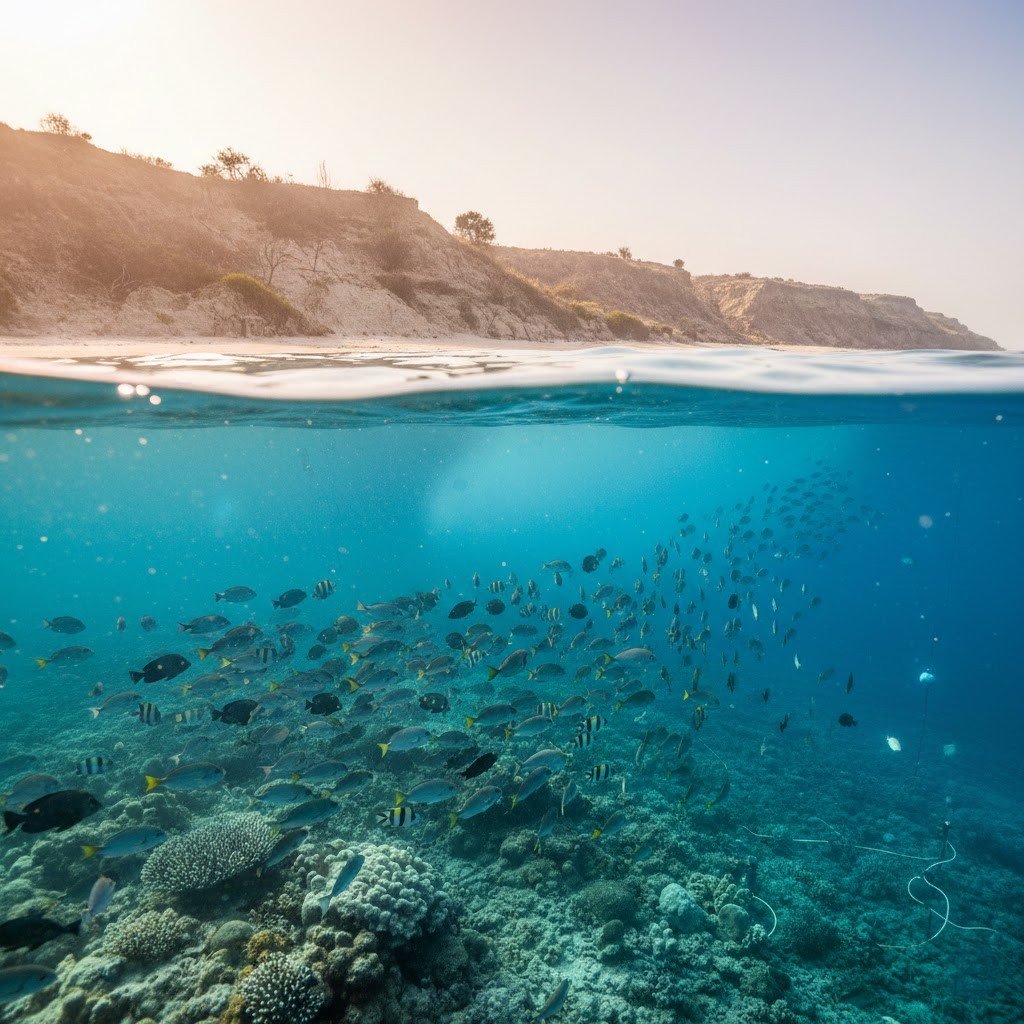
Along the United States shoreline, ocean water is heating up. This pushes fish north to cooler areas, changing how fishing towns survive and causing problems for small sea creatures at the bottom of food chains.
Thawing Alaska Permafrost
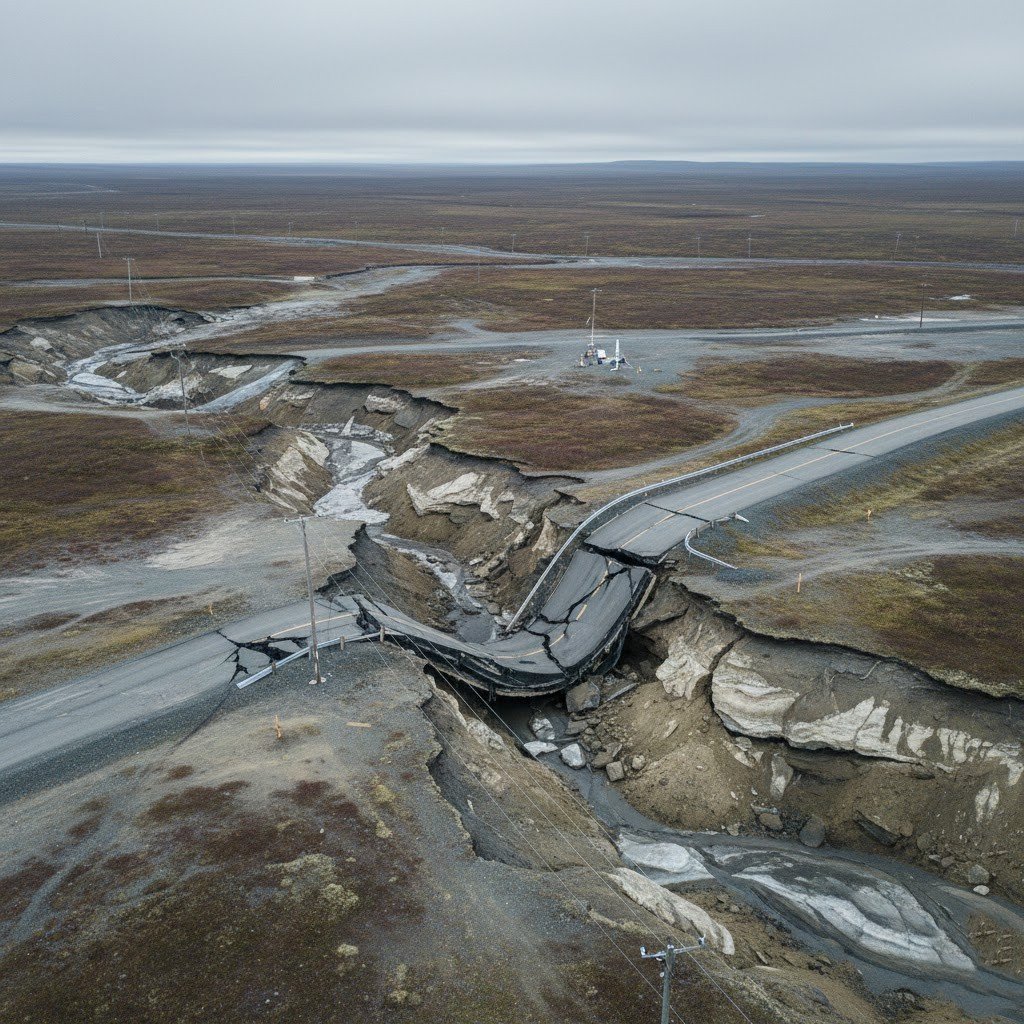
Some parts of Alaska that were frozen are starting to melt as the weather gets warmer. People studying the land see it happening widely. When ice ground loosens, land drops and shifts, breaking roads, buildings, and pipelines.
Expansion of Invasive Species
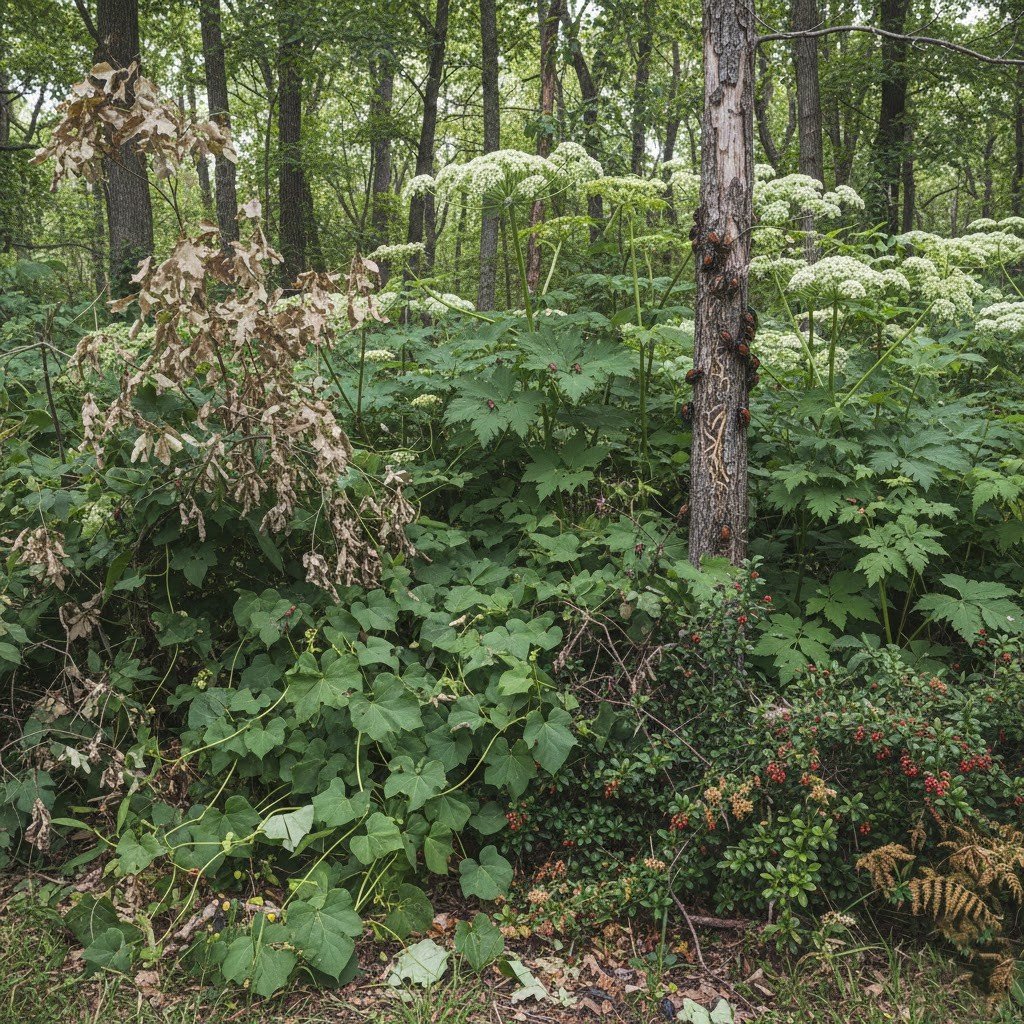
Because winters are not as cold, bugs and plants survive in new places. Experts notice these newcomers moving in, fighting local wildlife for space, and changing forests, fields, and natural balance over time today slowly.
Intensifying Tropical Storms

Hot air and warm seas help storms last longer and drop more rain. As a result, inland communities now face floods, heavy rain, and wind damage compared to long ago in many parts of America.
